
When deciding first, which wood to purchase, and then what kind of stain to apply, consider these:
- Specific room’s style
- Daily wear/tear of furniture
- Level of grain visibility
Importance of Aesthetics & Durability
What’s important is that you choose a wood/stain combination to pair naturally with the style of your home. A beautiful finish is meant to withstand everyday use, complement surrounding décor, and feel intentional. Bold open-grain wood pairs well with darker stains, while smoother wood is better suited to lighter or more even tones.
Types of Wood & Their Attributes
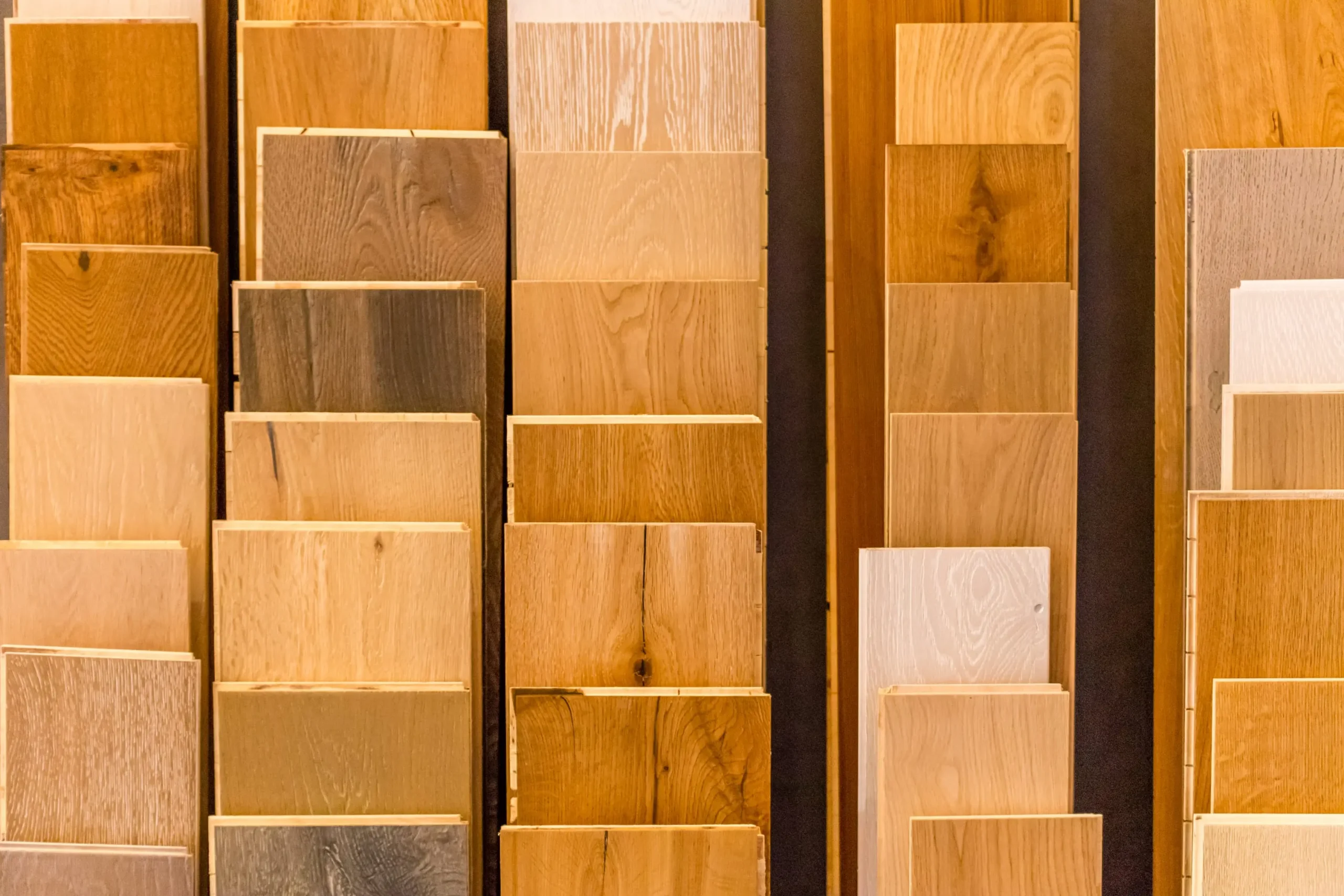
There’s an endless array of wood to choose from. However, our focus will be on 3 kinds that we carry and that we believe stain well: red oak, cherry, and maple. Each offers its own balance of color, grain, strength, and personality.
Perhaps, in your free time, explore other popular woods such as quartersawn oak, sap cherry, rustic cherry, brown maple, hickory, and elm as you further compare options for your home.
Comparison of Softwoods & Hardwoods
Wood is often grouped into 2 broad categories: hardwood and softwood. Red oak, cherry, and maple are all strong, dense hardwoods commonly used in high-use furniture, such as tables. Softwoods are lightweight and used for less durable furniture, such as bookstands.
Unique Features of Popular Wood Types
The wood types we’re exploring each have their own unique features. Red oak is warm and traditional with a noticeable open grain that accepts light, natural, and dark stains well. A red oak stain can emphasize that texture without hiding character. Cherry is very elegant, has handsome pink heartwood and smooth grain, and pairs with light to dark stains. A cherry wood stain typically enhances its warm undertones. With almost no grain, maple is very light and practically white. We recommend a natural maple stain because its density makes darker stains appear splotchy; when staining maple, apply conditioner and test samples first.
Decoding Wood Grain Patterns
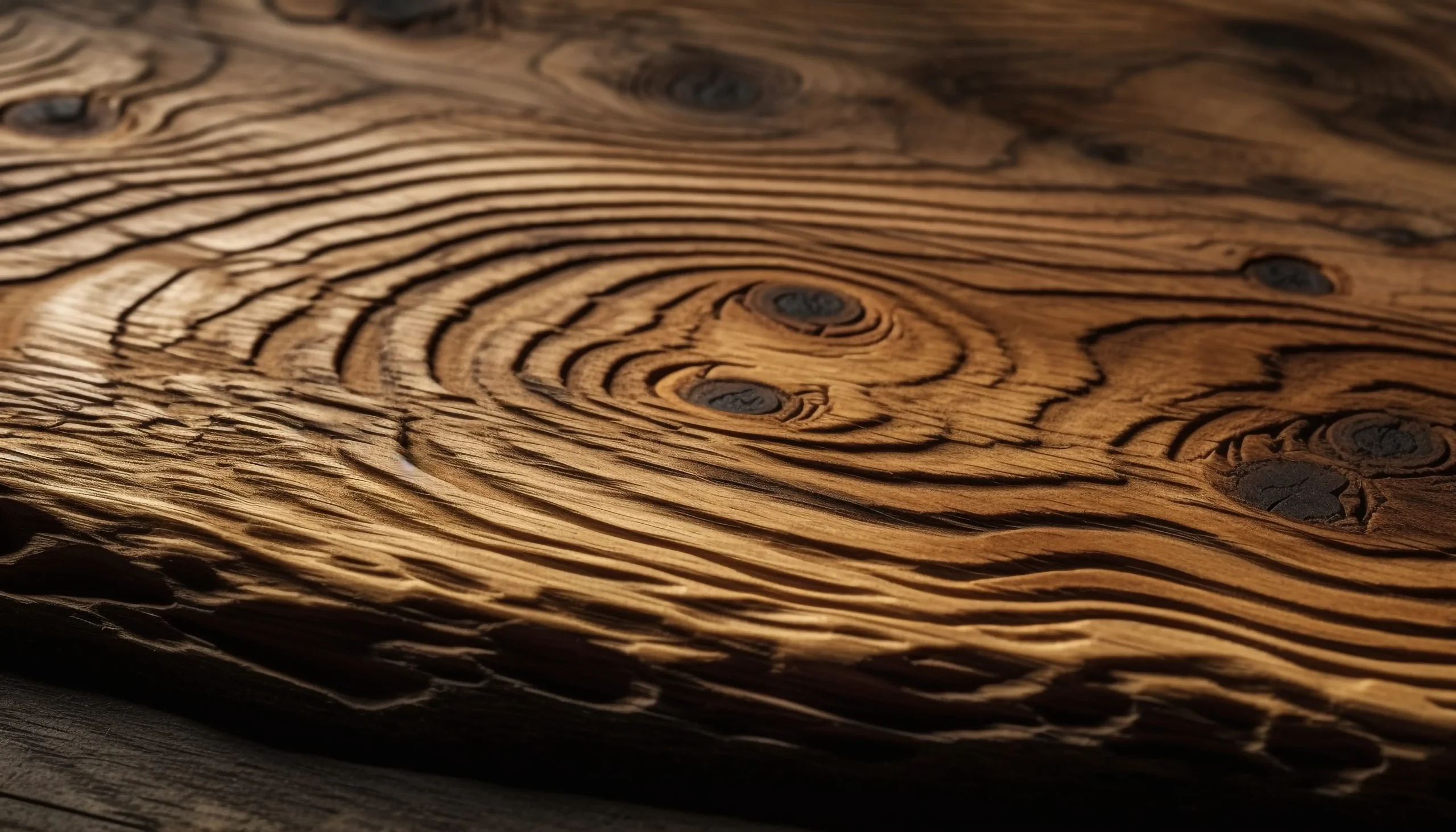
To recap, grain patterns are one of the most fascinating features of natural wood because of their effect on staining. See the chart below:
| Wood Type | Grain Pattern | How It Looks when Stained | Best Stain Choice |
| Red Oak | Straight, open | Shows strong contrast & visible texture | Light, natural, medium, or dark |
| Cherry | Fine, smooth | Creates an elegant finish & subtle character; warm tone deepens over time | Light to dark
|
| Maple | Very tight, subtle | Gives a clean, smooth appearance | Natural or lighter |
Importance in Design & Stain Selection
Selecting a stain is a design choice because the finish influences how the wood relates to the rest of the room. A darker stain can add weight and formality, while a lighter stain can make a space feel open, casual, and airy. As Casey Finn writes in The DIY Playbook, “seeing stain colors in real life makes all the difference,” especially because different wood species respond to stain differently. That is why reviewing samples on the actual wood type is one of the best ways to understand how the final color will appear before making your choice.
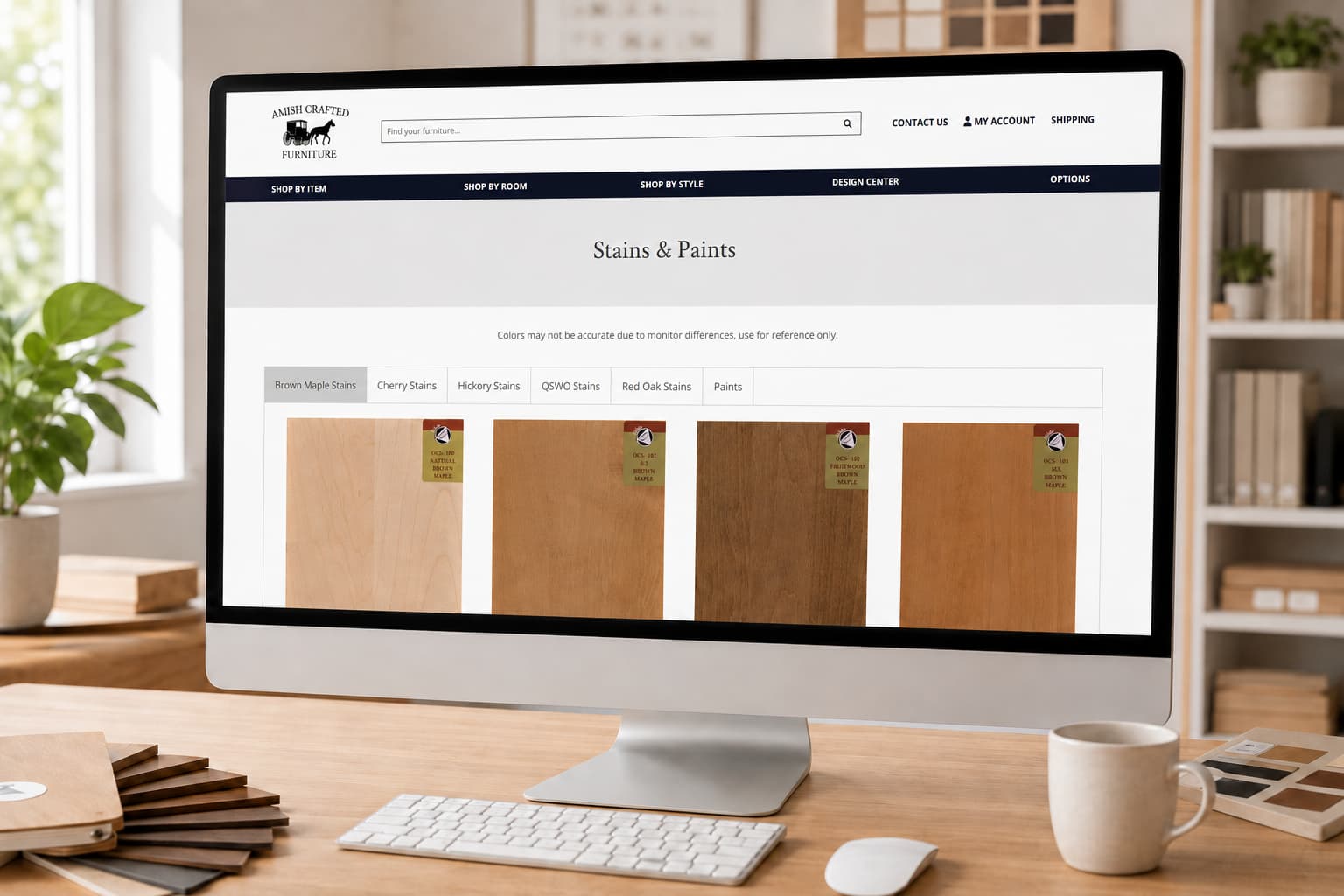
We offer a variety of stains for finishes ranging from brown maple, cherry, hickory, quarter-sawn white oak, and red oak. Reviewing stain samples on the actual wood type is one of the best ways to understand how the final color will appear, since the same stain can look different depending on the wood’s natural tone and grain. See the stain colors we offer!
Matching Stains to Grain Characteristics
By now, you’ve got it! Open-grain woods, like red oak, show more texture and depth with stain. Tight-grain woods, like maple, look smoother and usually do best with lighter, natural finishes.
The Oil vs. Water-Based Stain Decision
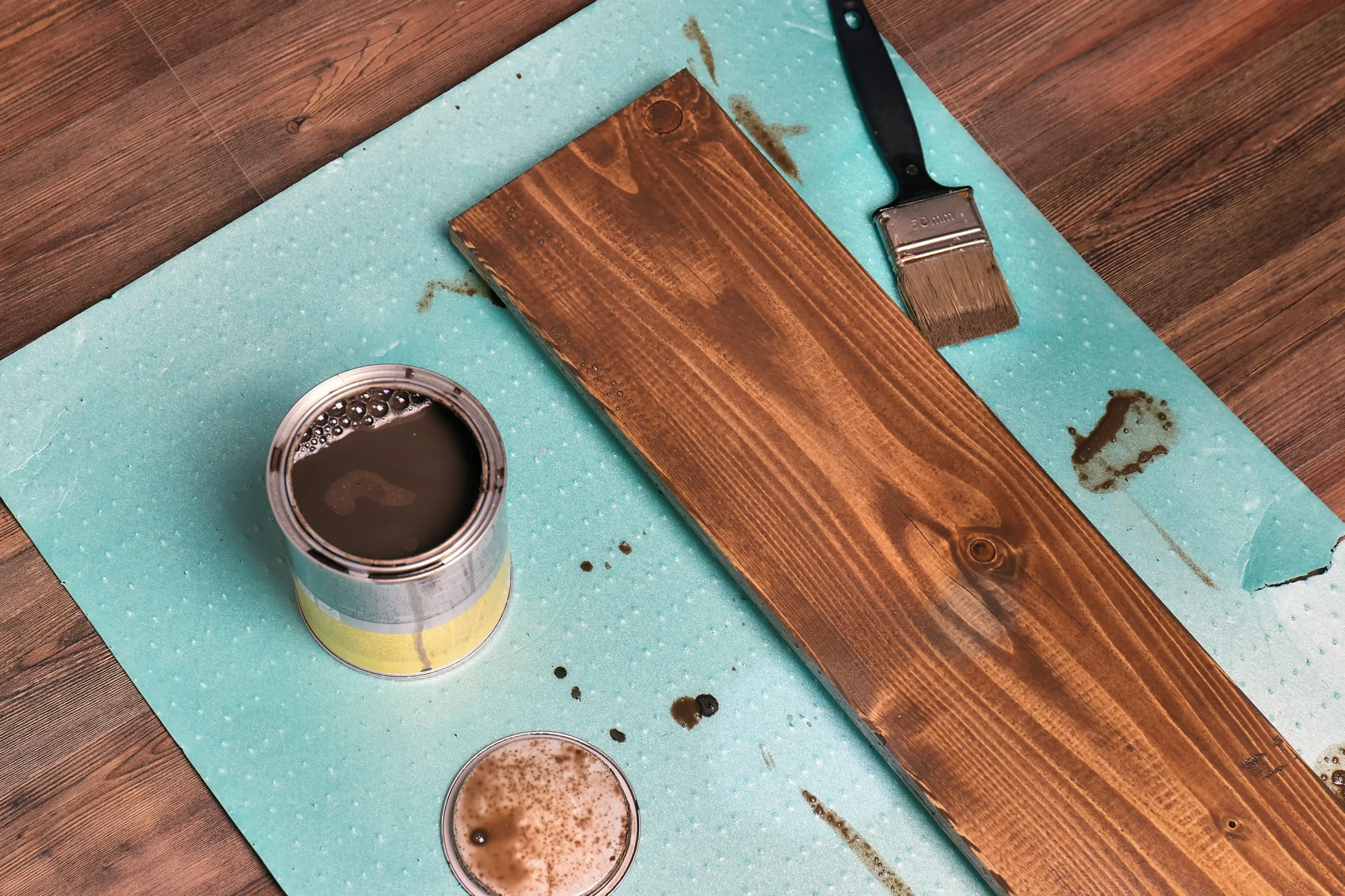
Stains don’t just vary in color. Both oil-based and water-based stains can create beautiful results. Choosing between them is often framed as an oil vs. water-based wood stain decision. The best choice depends on the wood type, project location, drying time, odor, and desired final color.
Criteria for Choosing Between the Two
Choose an oil-based stain for rich color and deeper grain enhancement on outdoor decks and high-use wood surfaces. Choose a water-based stain for faster drying, easier cleanup, and less odor for indoor projects and hardwood floors.
Environmental Impact Considerations
Water-based finishes are often preferred for lower odor and easier cleanup. Oil-based finishes usually last longer, but require more ventilation and careful disposal.
Wood Selection for Different Applications
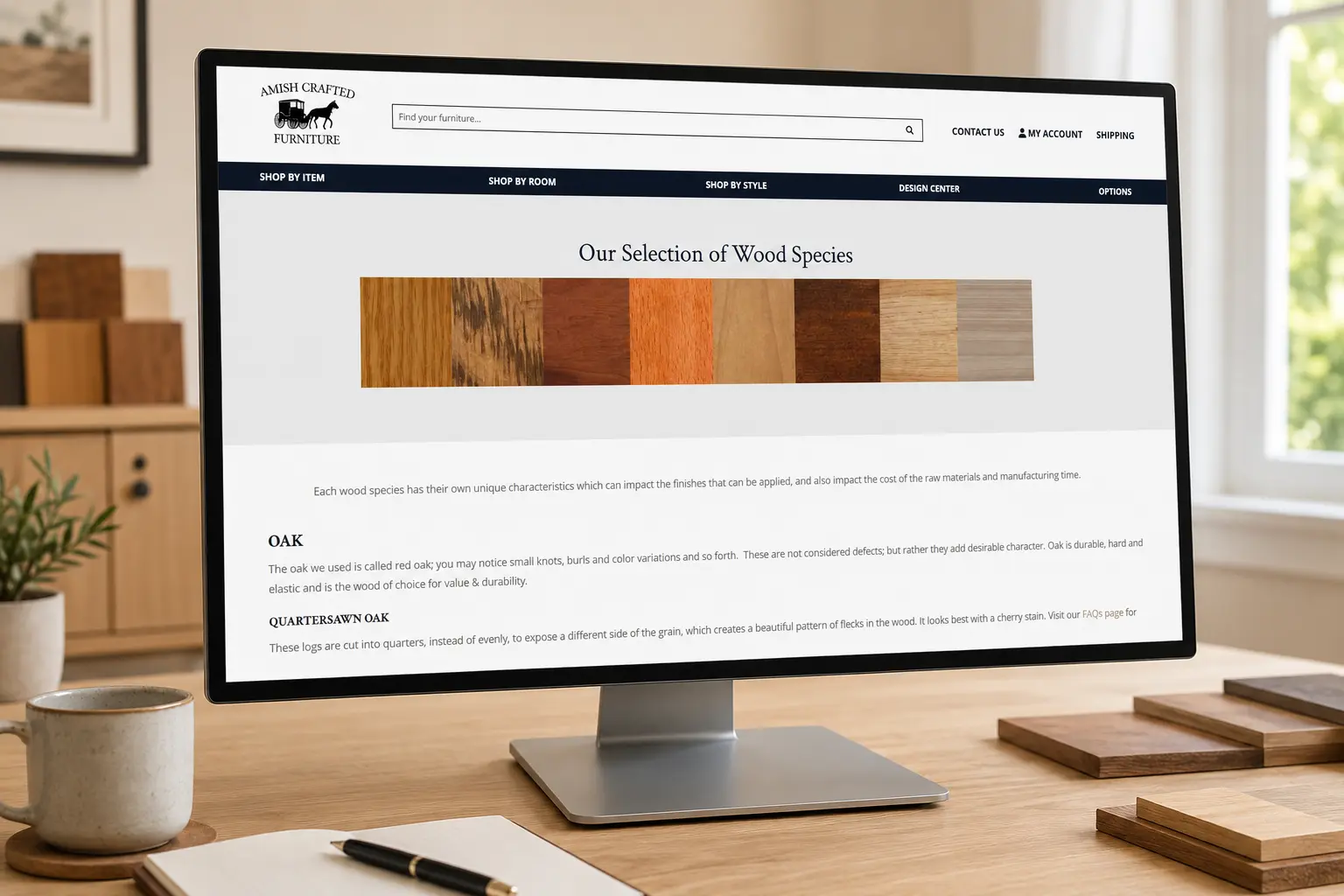
Dining tables, cabinets, flooring, and accent pieces all benefit from different wood species, stain colors, and protective finishes. Keep in mind the piece you’re working with when deciding how to best enhance it.
Furniture, Flooring, & Fixtures
Furniture needs a finish that looks good and withstands use. Flooring needs extra durability, while fixtures can focus more on color and style.
Best Practices for Each Type
Always test stain on the same wood type before finishing a full piece. For high-use surfaces, choose a durable topcoat that protects against moisture, scratches, and everyday wear.
Refinishing Wood: Techniques & Tips
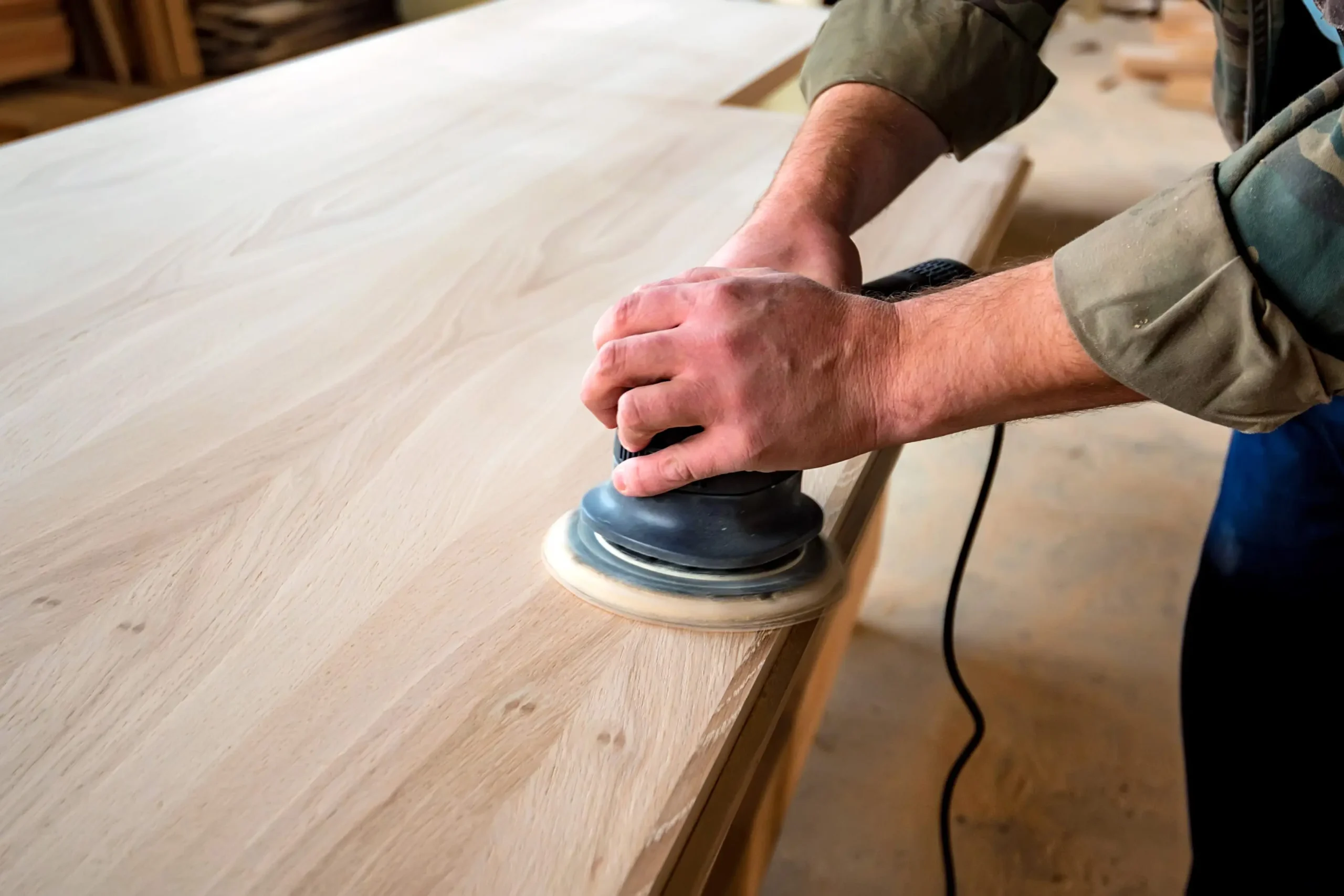
Refinishing can refresh a worn wood surface and bring back its natural beauty. The key is careful preparation, even sanding, patient staining, and proper sealing.
Steps to Achieve a Professional Finish
Take on a DIY staining project by starting off with this simplified step-by-step list:
- Clean the surface.
- Sand with the grain.
- Apply stain evenly.
- Seal with a protective finish.
Tools & Products for Refinishing
Good preparation tools help create a smoother final finish. Common refinishing tools include:
- sandpaper
- sanding blocks
- brushes
- cloths
- gloves
- wood cleaner
- stain
- protective topcoat
Maintaining Your Wood Surfaces
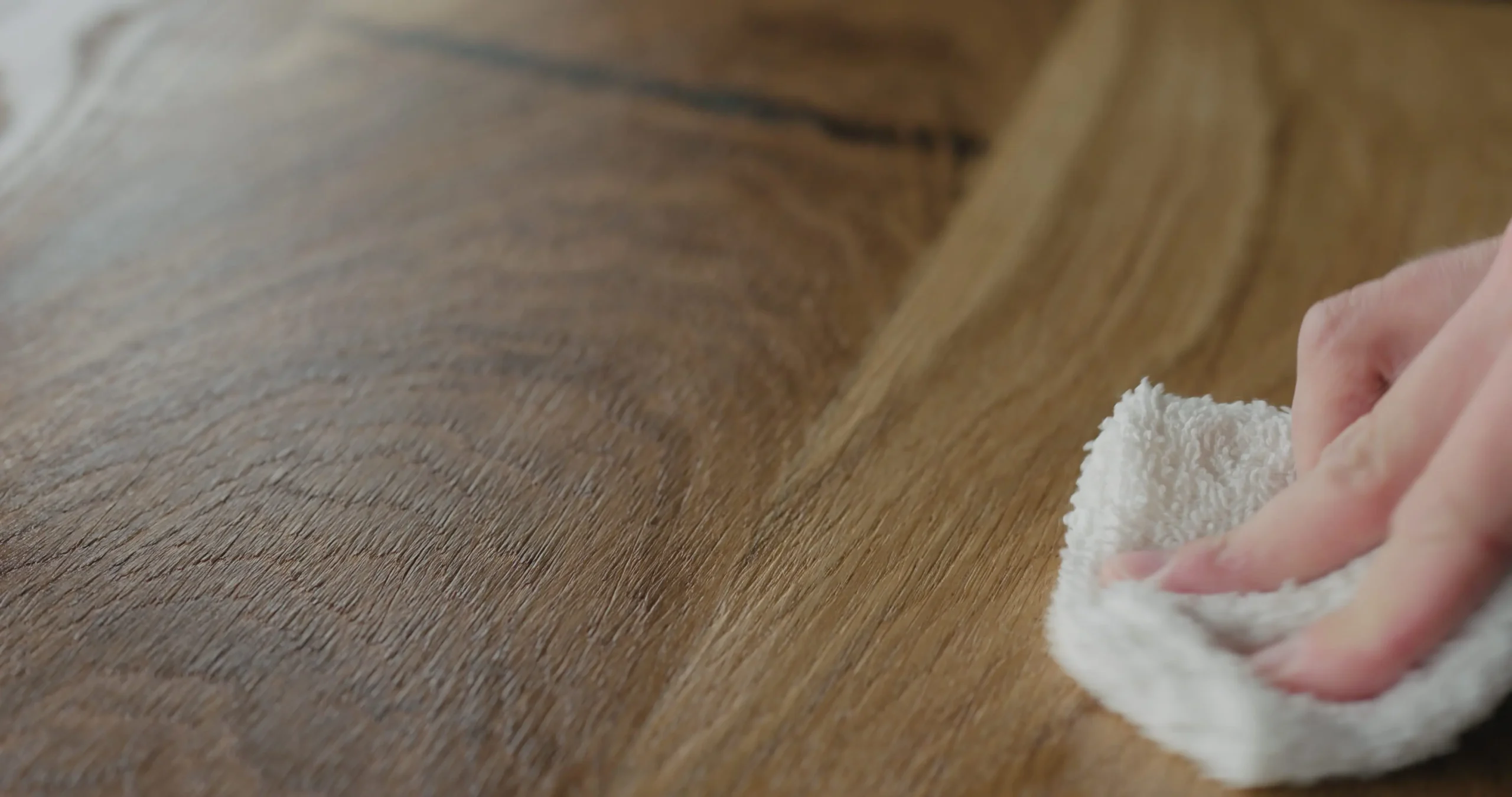
Finished wood lasts longer when it is cleaned gently and protected from excess moisture, heat, and direct sunlight. Small habits can help preserve the color and surface for years.
Daily & Seasonal Maintenance Tips
Dust regularly with a soft microfiber cloth, wipe spills quickly, and use coasters or potholders under hot or wet items. In changing seasons, avoid placing wood too close to vents or direct heat.
Troubleshooting Common Wood Issues
Light scratches, cloudy spots, and uneven color are common issues. Many can be improved with gentle cleaning, touch-up products, or professional refinishing (when damage is deeper).
Reach Out
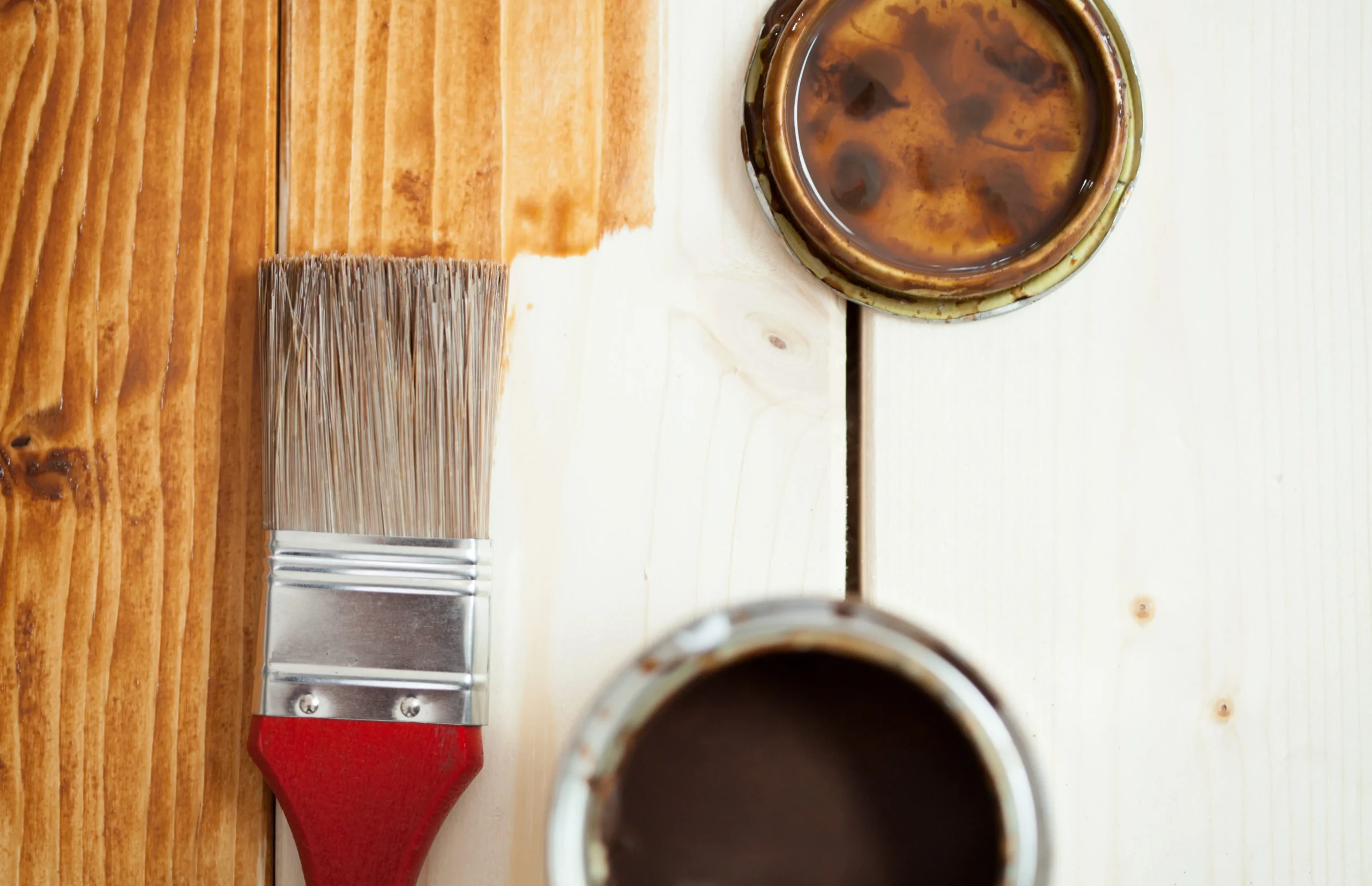
Choosing the right wood type and stain color can make a big difference in the final look of your furniture. The same stain can appear lighter, darker, warmer, or more textured depending on the wood species, grain pattern, and lighting in your home.
If you are unsure which option best fits your space, contact one of our specialists at Amish Crafted Furniture. With our design center, we can help you compare wood types, review stain color options, and request samples before making your final decision.